
Last week, I gave a talk titled “𝗧𝗵𝗲 𝗣𝗼𝘄𝗲𝗿 𝗼𝗳 𝗨𝘀”, focusing on the impact we can make on our careers and on the world when we come together.
Among other things, we discussed the people who shape our careers—mentors, sponsors, and peers who lift us up.
After the talk, one question kept coming up over and over:
“𝗛𝗼𝘄 𝗱𝗼 𝗜 𝗲𝘃𝗲𝗻 𝗳𝗶𝗻𝗱 𝗮 𝗺𝗲𝗻𝘁𝗼𝗿?”
And my answer? 𝗬𝗼𝘂 𝗱𝗼𝗻’𝘁 𝗷𝘂𝘀𝘁 𝗳𝗶𝗻𝗱 𝗮 𝗺𝗲𝗻𝘁𝗼𝗿. 𝗬𝗼𝘂 𝗯𝘂𝗶𝗹𝗱 𝗮 𝗿𝗲𝗹𝗮𝘁𝗶𝗼𝗻𝘀𝗵𝗶𝗽.
The best mentorships aren’t transactional. They aren’t about asking for advice and disappearing. They’re built over time, with trust, consistency, and a mindset of contribution.
So how do you become the kind of mentee that great mentors want to invest in?
✅ 𝗦𝗵𝗼𝘄 𝘂𝗽. Be present, engaged, and genuinely interested. Make it easy for them to help you.

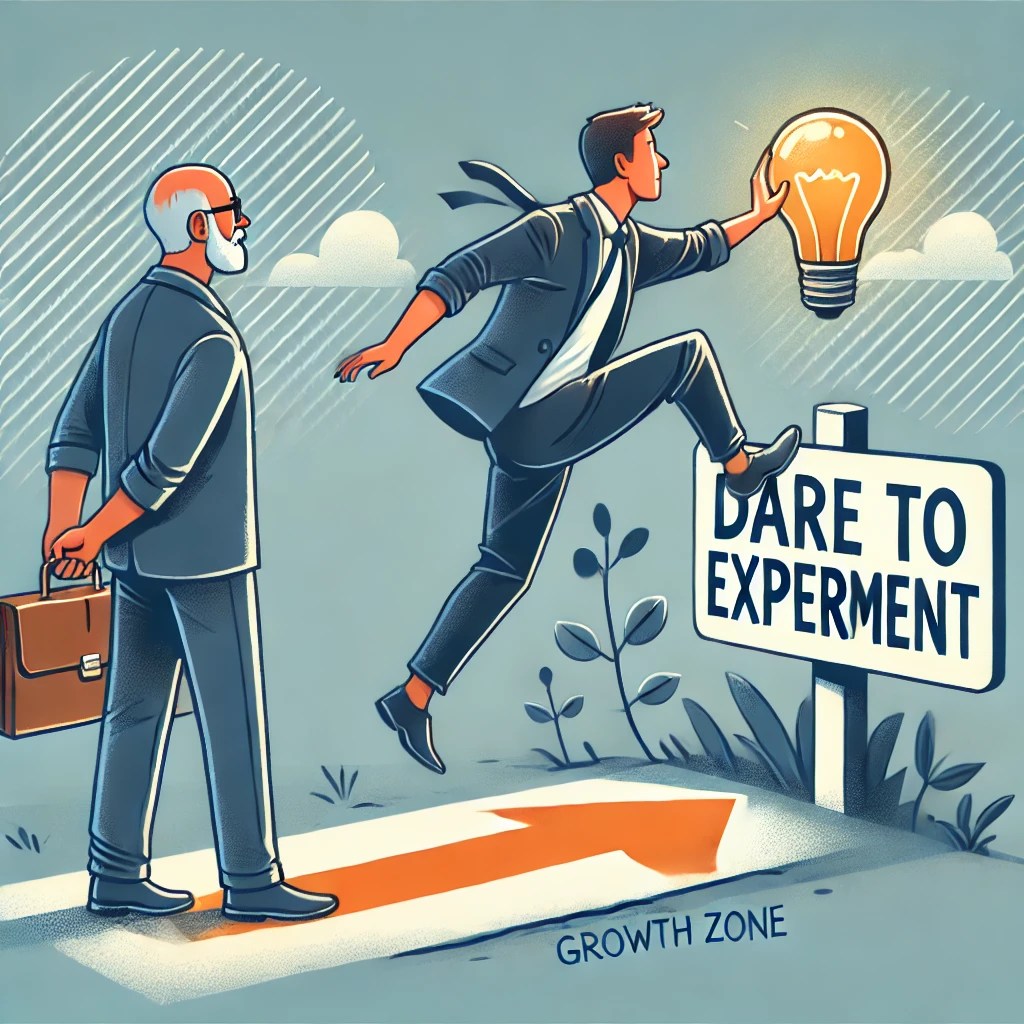
✅ 𝗗𝗮𝗿𝗲 𝘁𝗼 𝗲𝘅𝗽𝗲𝗿𝗶𝗺𝗲𝗻𝘁. Try the advice they give you, take action, and report back on what worked (and what didn’t).
✅ 𝗙𝗼𝗹𝗹𝗼𝘄 𝘂𝗽. Keep the connection alive. Share updates, show appreciation, and let them see the impact of their guidance.

✅ 𝗕𝗿𝗶𝗻𝗴 𝘃𝗮𝗹𝘂𝗲. Yes, even as a junior person, you have value to offer. Senior leaders often lack insight into how junior employees perceive the org, the mission, and the strategy. Your perspective can help uncover blind spots they wouldn’t see otherwise.

Mentorship isn’t just about learning from someone more experienced—it’s about creating a dynamic where both people grow.
𝗪𝗵𝗮𝘁’𝘀 𝘀𝗼𝗺𝗲𝘁𝗵𝗶𝗻𝗴 𝘆𝗼𝘂 𝗱𝗶𝗱 𝗮𝘀 𝗮 𝗺𝗲𝗻𝘁𝗲𝗲 𝘁𝗼 𝗯𝘂𝗶𝗹𝗱 𝗮 𝘀𝘁𝗿𝗼𝗻𝗴 𝗺𝗲𝗻𝘁𝗼𝗿𝘀𝗵𝗶𝗽 𝗿𝗲𝗹𝗮𝘁𝗶𝗼𝗻𝘀𝗵𝗶𝗽?
Let’s share and learn from each other.
 Mor Schlesinger
Leave a comment