
As I shared in my previous post about leaving Google, many people approached me eager to hear more about my sabbatical year. Today, I want to share the transformative experience of learning and practicing Buddhism at Kopan Monastery in Nepal.
A Dream Fulfilled
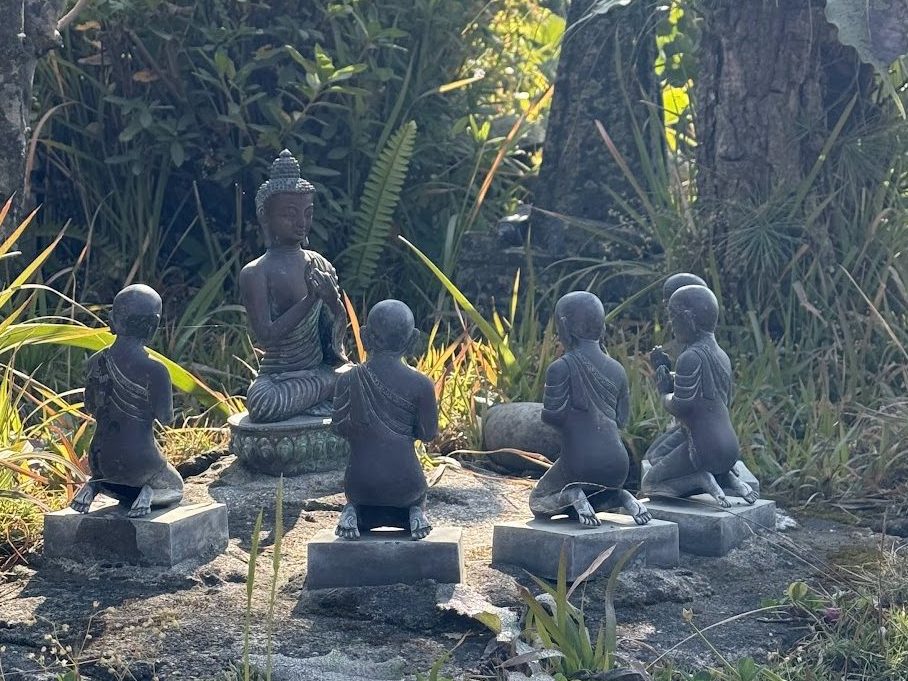
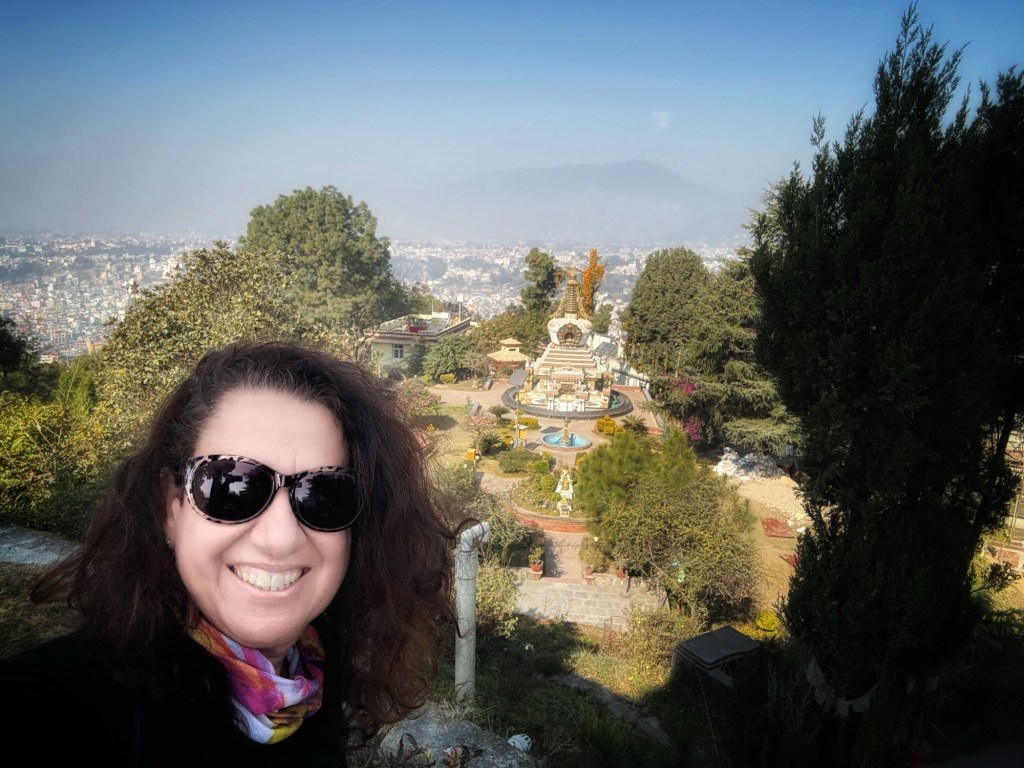
While I’d taken Buddhist courses and weekend retreats before, this was my first time fully immersing myself in monastic life—another long-held dream finally realized. Nestled in the hills surrounding Kathmandu, Kopan Monastery is nothing short of magical. Stunning views, serene stupa gardens, and beauty stretched in every direction. Waking up to the ethereal chanting of monks, observing their daily lives: from vibrant debates to traditional pujas, added layers of depth and magic to the experience.
Life in the Monastery
Our days followed a structured rhythm that began before dawn. Each morning started with meditation as the sun rose over the Kathmandu valley. After a simple breakfast, we dove into morning Buddhism lessons that carried us through to lunch. These sessions under Ven Thubten Pema’s guidance transformed Buddhist philosophy from abstract concepts into lived wisdom.
The afternoons brought a different energy, beginning with discussion groups that proved invaluable. Sharing perspectives with fellow practitioners helped deepen our understanding in unexpected ways. More Buddhism lessons followed, punctuated by another meditation session before dinner. The day would close with evening teachings, leaving us with plenty to contemplate as we prepared for rest.
Beyond the formal schedule, our days were enriched by fascinating guest speakers, including an incredibly inspiring Geshema – one of the first Tibetan Buddhist nuns in Nepal to earn a Geshema degree, the equivalent of a PhD in Buddhist philosophy. She shared her remarkable journey of persistence and determination, describing how she overcame significant obstacles through unwavering dedication and the power of friendship. Despite limited access to teachers and resources, she and her fellow nuns supported each other, forming study groups and creating their own opportunities for learning. Her story was a powerful testament to the transformative power of grit and community. We also had visits to the local nunnery, and even movie nights (my favorite was “Mission Joy” about the Dalai Lama). The international community added another layer of richness—fellow practitioners from Iran, Alaska, Denmark, Netherlands, UK, India, and beyond. I’ve gained friendships I’m certain will last a lifetime.
The Silent Retreat
The course culminated in an intense silent retreat during the final days—an experience that stands out as particularly transformative. During these days, we shifted from learning to deep practice, with eleven meditation sessions daily alternating between walking and sitting meditation. The silence created a profound container for processing the wealth of Buddhist knowledge we’d received.
These analytical meditations became my gateway to deeper understanding. Free from distractions and everyday conversation, I could truly digest the teachings and contemplate their application in my life. Walking meditations through the monastery gardens offered a different dimension to practice, bringing mindfulness into movement, while the sitting sessions allowed for deeper contemplation.
What surprised me was how the intensity of this schedule—far from being overwhelming—created a natural rhythm that helped settle the mind. Each meditation built upon the previous one, creating a cumulative effect that brought remarkable clarity and insight.
From Ancient Wisdom to Modern Leadership
What surprised me most was how deeply these Buddhist practices resonated with my experience as a tech leader and coach. While many discuss Buddhism’s personal benefits, I discovered profound parallels between these ancient teachings and modern leadership challenges. The practices of self-introspection, mindfulness, and compassion offered fresh perspectives on everything from decision-making to team dynamics.
In my next post, I’ll dive deep into these leadership insights, exploring how Buddhist principles can transform our approach to modern business challenges. But for now, I want to express my deepest gratitude for this experience.
This wasn’t just a personal retreat—it was a profound reset. To anyone feeling stuck, burnt out, or simply curious: sometimes the most revolutionary act is to pause, learn, and reimagine your approach to work and life.
Stay tuned for my next post where I’ll share specific Buddhist insights and practices that can revolutionize modern leadership.

 Mor Schlesinger
Leave a comment